The 2030 EPC C Deadline Explained
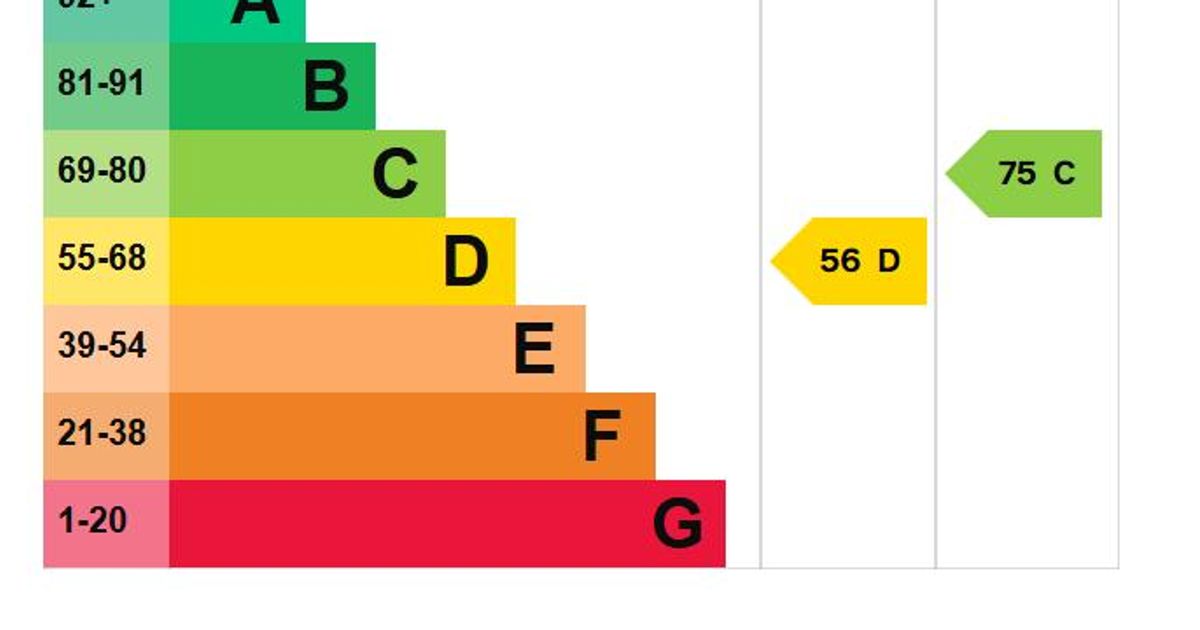
The UK government has drawn a firm line in the sand. Under the new Warm Homes Plan, all private rented properties must achieve an Energy Performance Certificate (EPC) rating of C or higher by 2030. This policy replaces the shifting 2025 and 2028 targets that caused widespread confusion under the previous administration. For investors, this delivers long-awaited clarity on the future of MEES regulations.
By 2030, you must demonstrate that your property meets the EPC C threshold before letting it to tenants. While the government aims to reduce carbon emissions and tackle fuel poverty, the financial responsibility sits squarely with property owners. Local authorities are set to enforce substantial fines and rental bans for non-compliant homes. In short, letting a substandard property will no longer be an option.
While exemptions exist, they are tightly restricted. You can register an exemption for listed buildings or properties in conservation areas where retrofits would compromise character, if a tenant refuses consent, or where an independent expert confirms that solid wall insulation would cause structural harm. However, these exemptions must be logged on the national register and expire after five years, and the burden of proof rests entirely on you.
This shift challenges every investor to take stock. Rolling over tenancies in poorly insulated homes without a plan is no longer sustainable. Now is the time to audit your portfolio, determine which assets justify the retrofit costs, and identify which should be exited. Regulatory compliance is now the baseline for property investing, and the clock is ticking.
Retrofit Costs Vary By Property Type
Upgrading to an EPC C rating looks vastly different depending on the bricks and mortar in your portfolio. While some properties need only minor tweaks to cross the line, others require extensive capital work to overhaul their thermal envelope. Understanding these cost variations is key to assessing whether an asset remains commercially viable.
Victorian Terraces
Period properties with solid brick walls are notorious heat leakers and represent the biggest retrofit hurdle. Upgrading a classic Victorian terrace typically demands solid wall insulation. The Energy Saving Trust estimates this work alone can cost up to £14,000. When you factor in double glazing, a modern heat pump, and floor insulation, the total bill can easily top £20,000. Furthermore, internal insulation reduces usable floor space, while external insulation alters the street facade and often requires planning consent. If you own a property yielding £800 a month in a regional market, sinking £20,000 into upgrades can wipe out your net yields for a decade, not to mention the extended void periods and tenant disruption required during major works.
1990s Semi-Detached Houses
Modern semi-detached homes typically offer a much smoother, cost-effective route to compliance. Because they were built with cavity walls and standard loft spaces, achieving an EPC C usually involves cavity wall insulation, topping up loft insulation to 270mm, and installing an efficient condensing boiler. Total costs rarely exceed £5,000. With modest rent uplifts and lower tenant turnover in warmer homes, this level of investment is generally easy to justify.
Post-2000 Purpose-Built Flats
Most purpose-built flats constructed after 2000 already meet or exceed the EPC C threshold. If any work is required, it often comes down to installing smart electric heating controls or LED lighting at minimal cost. The primary challenge here rarely involves capital expenditure, but rather securing permissions from freeholders or block management companies when altering communal systems or glazing.
Government Grants Can Help
Before funding a deep retrofit entirely out of pocket, make sure you explore available support. The Boiler Upgrade Scheme provides a £7,500 grant to help replace fossil fuel heating systems with modern heat pumps, significantly taking the sting out of heating overhauls.
Additionally, the Great British Insulation Scheme delivers fully or partially funded insulation upgrades for homes within eligible council tax bands. Astute investors combine these schemes to offset substantial upfront outlays. While grants won't fully cover a comprehensive £20,000 period retrofit, they dramatically accelerate the payback period on 1990s homes. It is also worth checking with your local authority for ECO4 funding if your tenants receive qualifying benefits, as this can sometimes cover the full cost of energy efficiency improvements.
The Threat of Stranded Assets
Properties that fail to achieve the EPC C standard risk becoming stranded assets, investments that suffer steep value depreciation because they no longer meet regulatory requirements, making them difficult to let, refinance, or sell.
Mortgage lenders are already moving ahead of legislation. Major financial institutions increasingly treat energy-inefficient properties with caution, reserving their most competitive pricing for green mortgages backed by EPC A, B, or C ratings. As UK Finance notes, remortgaging an E-rated property to release equity will become significantly harder as we approach 2029. Any lenders willing to finance non-compliant stock will likely price in that risk through higher interest rates, putting pressure on your monthly cash flow. Portfolio stress testing under Bank of England prudential guidance will only accelerate this trend.
The valuation implications are just as critical. Sophisticated buyers will factor the cost of required works, plus a margin for hassle and market risk, straight into their offers. If a property requires £15,000 of insulation works, buyers may easily discount their purchase price by £20,000 or more. Holding onto inefficient stock without a clear upgrade strategy exposes your capital to unnecessary risk. Forward-thinking investors protect their equity by reviewing their portfolios well ahead of time.
Upgrading Versus Reallocating Capital
Building wealth through property requires looking at your portfolio with an objective, commercial eye. When faced with a £20,000 retrofit bill on an older terrace, the smart move isn't simply paying the invoice, it's running the numbers and comparing the return on that capital against alternative property strategies.
Modelling Retrofit Payback
A straightforward payback calculation highlights the challenge with older properties. Imagine spending £15,000 to bring a solid-wall terrace to an EPC C rating. Even if you achieve a £50 monthly rent uplift alongside lower void rates, you generate roughly £600 in additional annual income. At that rate, it takes 25 years just to recoup your initial outlay. For many private landlords, sinking substantial capital into ageing physical structures amounts to funding national infrastructure upgrades at the expense of their own financial goals.
Selling Uneconomic Stock
When the maths doesn't stack up, selling is often the most pragmatic financial decision. Divesting from non-viable stock allows you to unlock equity before the broader market starts heavily discounting energy-inefficient homes. Selling an unmodernised property today is far easier and more profitable than attempting to offload it in 2029 alongside hundreds of distressed landlords. By exiting early, you can bank your capital and redeploy it into modern, high-yield opportunities that are already fully aligned with 2030 standards.
Reinvesting in Modern Assets
Reallocating capital into modern property models offers a compelling, low-friction alternative. Institutional-grade sectors such as Build-to-Rent (BTR) and Purpose-Built Student Accommodation (PBSA) are built to EPC A or B standards from day one. Investing in these sectors allows you to target dependable, hands-off yields without ever worrying about retrofit costs or regulatory deadlines.
PBSA assets, for instance, are engineered specifically to exceed modern sustainability benchmarks, removing MEES-related friction entirely. According to Savills, institutional investors are heavily prioritising EPC-compliant developments precisely to avoid future capital expenditure liabilities. Today, accessible property platforms enable individual investors to tap into these very same institutional-quality assets with ease.
Assess Your Portfolio Today
The 2030 deadline is a catalyst for proactive portfolio management. Start by commissioning up-to-date EPC assessments across your properties to establish an accurate baseline. Rather than relying on rough estimates, obtain concrete quotes from trusted local trades to understand your exact cost to reach EPC C.
Next, measure those retrofit costs against your existing equity and yields. If compliance can be reached for under £5,000 using green finance or capital reserves, the investment is usually sound and easily serviced by rental income. However, if estimates exceed £10,000 and demand disruptive solid wall measures, an exit strategy deserves serious consideration. While the Department for Energy Security has previously proposed cost caps for mandatory upgrades, banking on regulatory concessions is never a sound wealth-building strategy.
With the Warm Homes Plan firmly on the agenda, EPC C enforcement is on the horizon. Taking decisive action today gives you the advantage. By evaluating your assets, planning your financing, or redeploying equity into modern property alternatives, you can protect your returns and keep your wealth working effectively for the decade ahead.