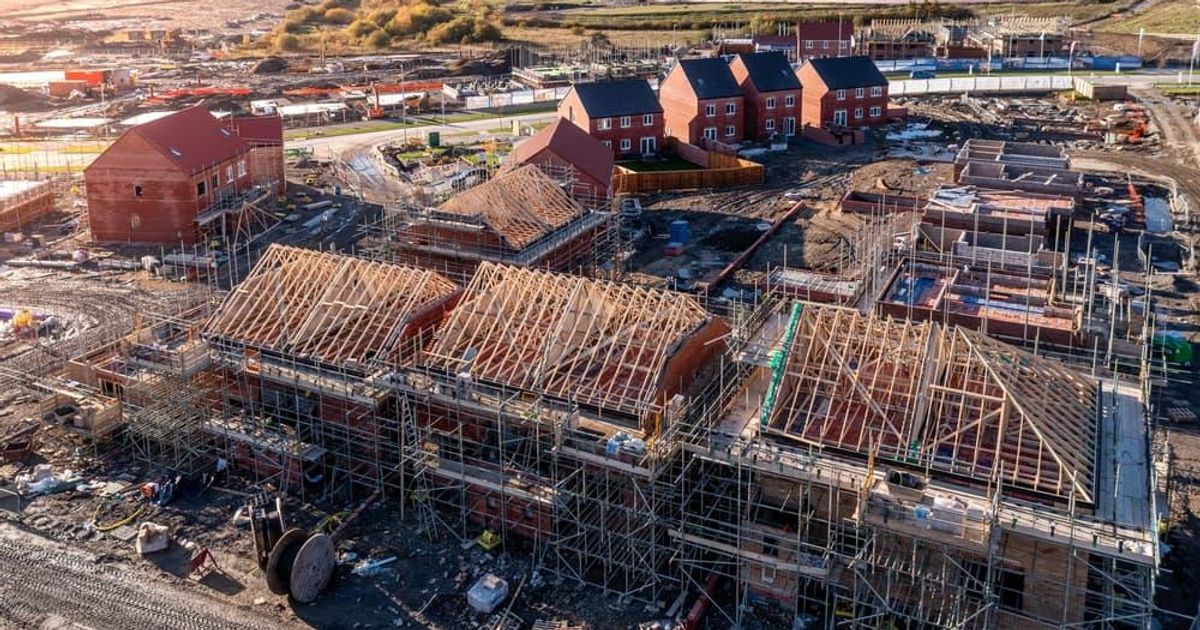
Down-Valuation Risk and Mortgage Expiry
Down-Valuations at Completion
Developers typically price off-plan stock based on projected future values. If the broader market cools during the construction phase, a mortgage surveyor may down-value the unit upon completion. Remember: lenders base their loan-to-value ratio on the surveyor's current valuation, not the purchase price on your contract.
If you agreed to buy at £250,000 but the lender's surveyor values the finished flat at £220,000, you face a £30,000 shortfall. You must plug this cash gap out of pocket to complete the purchase. Failing to complete puts your deposit at risk and exposes you to legal action for breach of contract. Seasoned property investors protect themselves against this by maintaining dedicated cash reserves specifically for down-valuation scenarios.
Managing Mortgage Offer Expiry
Securing finance for an off-plan development requires careful timing. Standard UK Finance mortgage offers typically expire after six months, yet construction projects routinely slip by 12 months or more. This misalignment creates a critical funding gap.
If your build runs over schedule, your original mortgage offer will lapse. You will need to reapply under whatever interest rate environment exists when the building completes. If borrowing rates have risen or underwriting criteria have tightened, you may no longer qualify for the loan amount you planned on. Proactive investors navigate this by working with specialist mortgage brokers who can source flexible new-build products with extended validity periods, or by lining up contingency bridging finance.
Developer Insolvency and Construction Delays
Developer Insolvency Protections
A developer entering administration mid-build is a major risk for any off-plan buyer. When site activity halts, your hard-earned deposit is left in limbo. Many buyers assume standard new-build warranties automatically protect their initial deposit, but they rarely do. You must instruct your conveyancer to verify how your deposit funds are held. In an insolvency event, recovering your capital hinges entirely on specific contractual clauses and whether structural warranty deposit protections apply.
The Importance of a Long-Stop Date
Developer contracts routinely include unilateral extension clauses. These grant the developer legal leeway to delay completion without penalty, while permitting minor variations to specifications and layout. To safeguard your investment, your solicitor must negotiate a strict long-stop date. This creates a hard contractual cutoff: if the developer fails to achieve practical completion by this date, you retain the legal right to rescind the contract and reclaim your full deposit. Never exchange contracts on an off-plan property without one.
Navigating the Snagging Period
New-build developments rarely complete without defects. The standard two-year developer liability window requires the builder to rectify issues ranging from misaligned joinery to plumbing faults. Chasing these fixes while attempting to onboard a paying tenant drains time and cash flow. We recommend hiring an independent snagging surveyor to carry out a Pre-Completion Inspection checklist before final sign-off. Under the New Homes Quality Board framework, you can leverage this report alongside the New Homes Ombudsman service to ensure defects are resolved before releasing final completion funds.
Service Charge Escalation and Rental Guarantees
Assured Rental Guarantees and Inflated Prices
Off-plan developments are frequently marketed with guaranteed rental yields, often 7% to 8% for the first two years. These incentives rarely mirror organic local tenant demand. In practice, the developer often factors the cost of the rental guarantee into an inflated headline purchase price, effectively rebating your own capital back to you over 24 months. Once the guarantee expires, yields adjust to genuine market rates, which can dent your monthly cash flow and weaken resale values.
Post-Subsidy Service Charge Escalation
To make projected yields look appealing on paper, developers often subsidise building service charges during year one. Once the building hands over to an independent managing agent, these operational costs frequently jump. Rising service charges and estate fees eat directly into your net returns, even though the Leasehold Reform Act 2022 has abolished ground rents on new qualifying residential leases. Always demand transparent long-term service charge projections and review all estate rentcharges before exchanging.
Saturation Risk in City Centres
Localised oversupply is a vital factor in off-plan performance. The Hometrack UK Cities Index demonstrates how quickly supply and pricing dynamics shift across major urban centres. When a massive multi-unit scheme completes in cities like Manchester, Birmingham, or Liverpool, hundreds of similar apartments enter the rental pool at once. This temporary supply spike dampens rental rates and increases void periods. If your strategy relies on an early resale, competing against dozens of identical listings on property portals can significantly constrain your liquidity.
Mitigating Off Plan Risks and Alternatives
Stakeholder vs Agent Deposit Status
The most important question your legal team must resolve prior to exchange is deposit handling. Your deposit must be held by the solicitor as a 'stakeholder', never as an 'agent'. When held as an agent, the developer can immediately deploy your cash into construction costs, leaving you exposed if the firm defaults. Holding funds as a stakeholder keeps your money protected in a designated escrow account until legal completion.
NHBC Buildmark and EWS1 Certificates
Long-term structural security is non-negotiable. Schemes like the NHBC Buildmark provide a 10-year structural warranty, giving you essential protection once the initial two-year developer liability ends. Additionally, under the Building Safety Act 2022, buildings over 11 metres must strictly comply with fire safety regulations. Ensure your legal representative confirms the developer will supply a compliant EWS1 form at completion, otherwise you may find the property impossible to mortgage or refinance. Avoid unregulated overseas off-plan developments that lack recognised UK warranty protections.
Opportunity Costs and Alternatives
Off-plan investing is an effective wealth-building tool when the early discount compensates for the capital you have locked up without income. Always weigh this strategy against the opportunity cost of other property investments. Purchasing established, tenanted property delivers immediate cash flow from day one. Alternatively, investing through Real Estate Investment Trusts or fractional property platforms provides liquidity, professional management, and steady dividend returns without project-level construction risk.
Off-plan property yields the best results when you secure early-phase pricing with experienced, financially robust developers. To protect your capital and maximize returns, provide your solicitor with this essential checklist before exchange: confirm stakeholder deposit status, secure a strict long-stop date, cap permitted floor area variations to a maximum of 3%, and ensure a valid EWS1 certificate is guaranteed at handover.